Monday, March 23, 2015


Monday, March 16, 2015



Sunday, March 15, 2015


Wednesday, March 11, 2015


Monday, March 9, 2015



Monday, March 2, 2015
Montreal Clock Tower
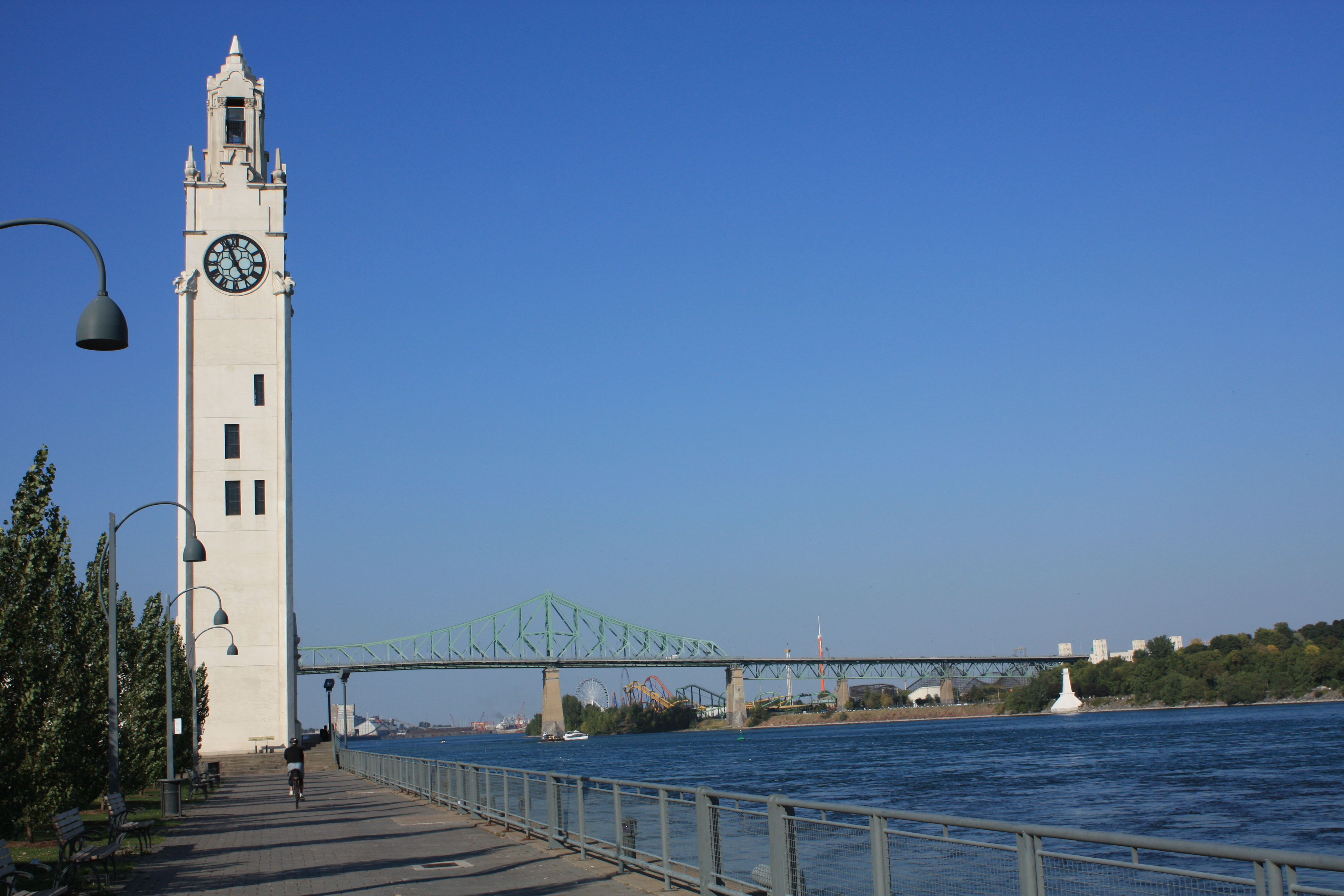
See more from the same trip: http://trubinigor.blogspot.com/2015/03/montreal-clock-tower.html
Montreal Clock Tower (Tour de l'Horloge) is located in Quai de l'Horloge, originally called the Victoria Pier, in the Old Port of Montreal in Montreal, Quebec, Canada.
Overview
Also called The Sailors' Memorial Clock, the cornerstone was laid by the Prince of Wales, on Oct. 31, 1919, with the 45-metre tower completed two years later as a memorial to the Canadian sailors who died in the First World War. The original plans called for the clockworks to be connected to five bells that would chime every hour, but the carillon was never built. The clock was constructed in Croydon, England by the firm ofGillett & Johnston, and its mechanism is similar to the one that drives Big Ben at thePalace of Westminster.[1]
Subscribe to:
Posts (Atom)
About Me

- Igor Trubin
- Igor Trubin began his engineering career in 1979 as an IBM/370 systems engineer. He earned a Ph.D. in Robotics from St. Petersburg Technical University in 1986 and spent 12 years there as a professor teaching CAD/CAM and Robotics. He has published and presented more than 60 technical papers and conference presentations in robotics, artificial intelligence, IT performance, capacity management, anomaly detection, and FinOps. After moving to the U.S. in 1999, Igor worked at Capital One, IBM, and SunTrust Bank in senior engineering, architecture, and management roles. His 2002 CMG paper on exception detection received a Best Paper Award. He later developed Perfomalist.com, based on his original methods for anomaly, change-point, and trend detection, and created the online course “Performance Anomaly Detection.” At Capital One, he led development of cloud capacity-management and FinOps solutions, including the award-winning OptiCloud application. He has served on the CMG Board of Directors since 2015. Now semi-retired, Igor focuses on research, writing, and consulting. His current work expands his concept of the “Area of Normal Functioning” (ANF) from technical systems to human, orga